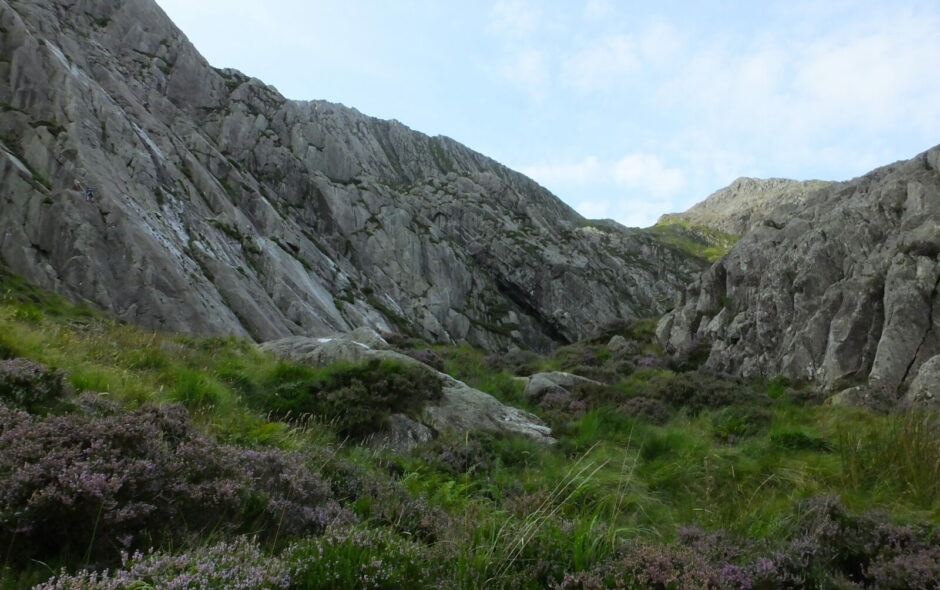
Cwm Idwal was designated as a National Nature Reserve in 1954, primarily because of the unique geology found here, and secondly on account of those rare plants that have colonised along the slopes.
In Cwm Idwal there are sedimentary, igneous and metamorphic rocks that were formed during the Ordovician era, around 450 million years ago. These rocks were formed through sedimentation processes on the sea bed as well as volcanic processes that produced strata of dust, ash and lava flows, followed by forces of compression and consolidation.
Later, around 40 million years ago, huge tectonic forces were folding and compressing these stratae further as tectonic plates collided creating the form of folded waves in the earth’s crust.
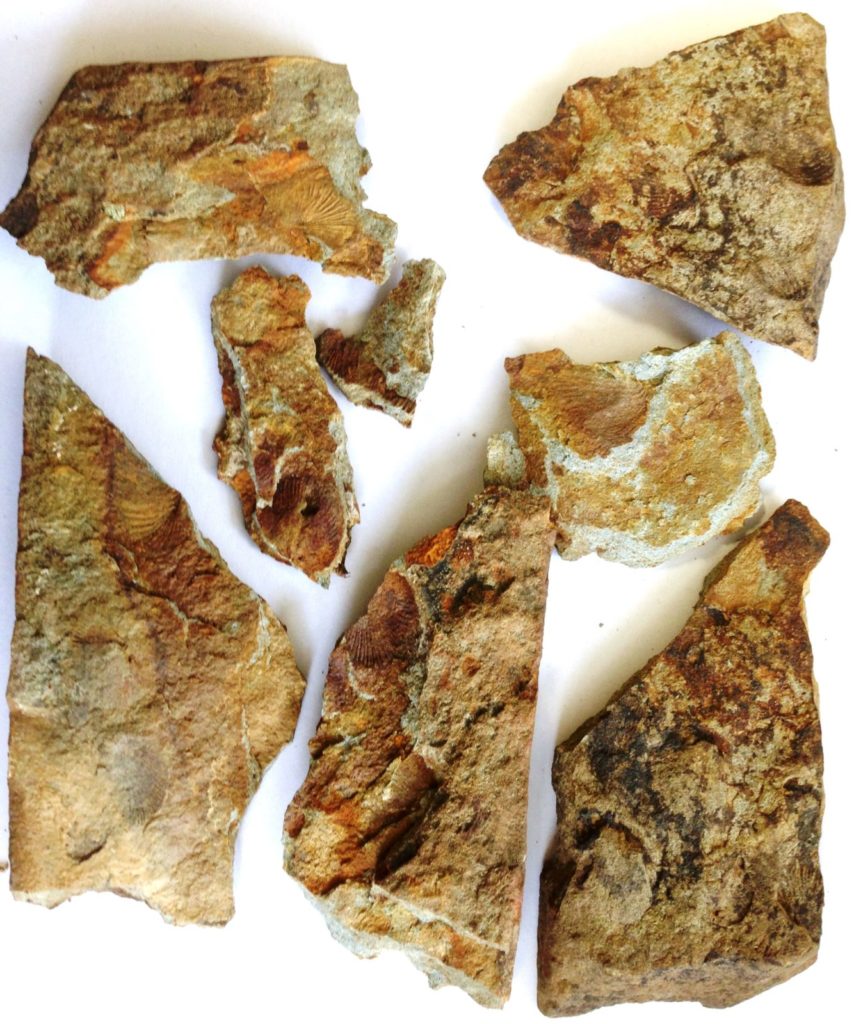
The troughs of these folds are known as synclines, and the Idwal syncline can be seen running up Twll Du (Devil’s Kitchen) and the head of Cwm Idwal. On both sides of Twll Du, we see where the sea bed was raised. It is possible to see evidence of this today in the form of Brachiopod fossils, which were animals that lived on the sea bed around 400 million years ago. These fossils can be found around the summit of Y Garn (SH632595) and along Y Gribin (SH651686).
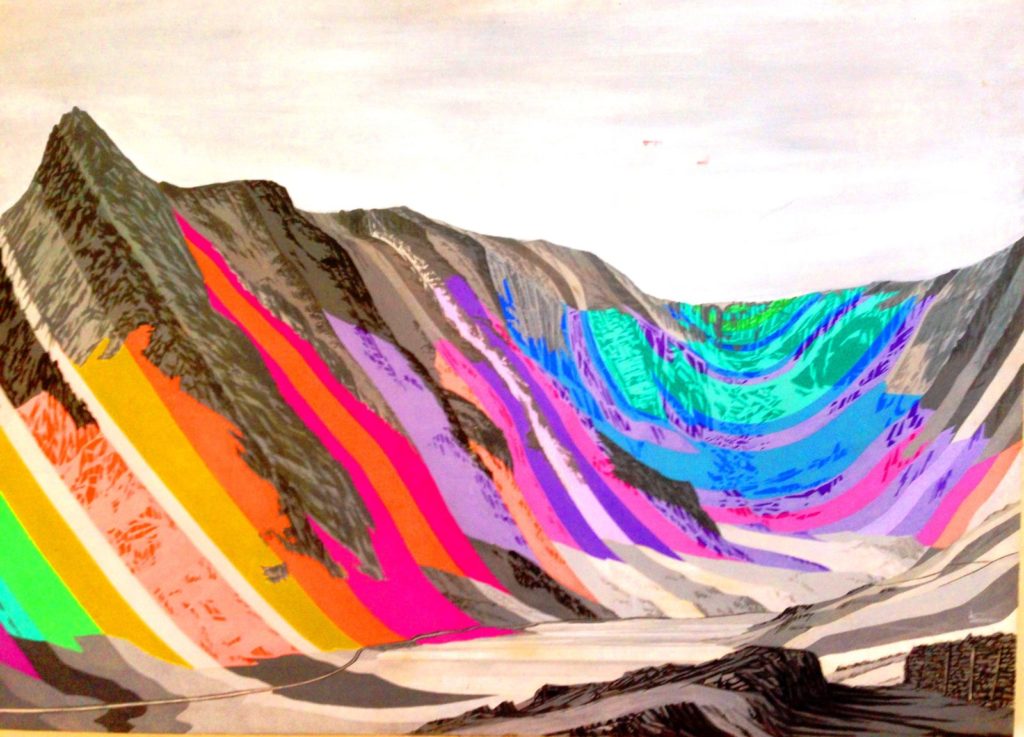
The Picture above illustrates the folding that was caused by colliding tectonic plates. This Picture can be seen at the National Trust’s Bwthyn Ogwen Ranger base.
It would not be possible to see a cross-section of the Idwal syncline in Twll Du without the impact of the glaciers, during the Ice Age, between 26,000 and 10,000 years ago.
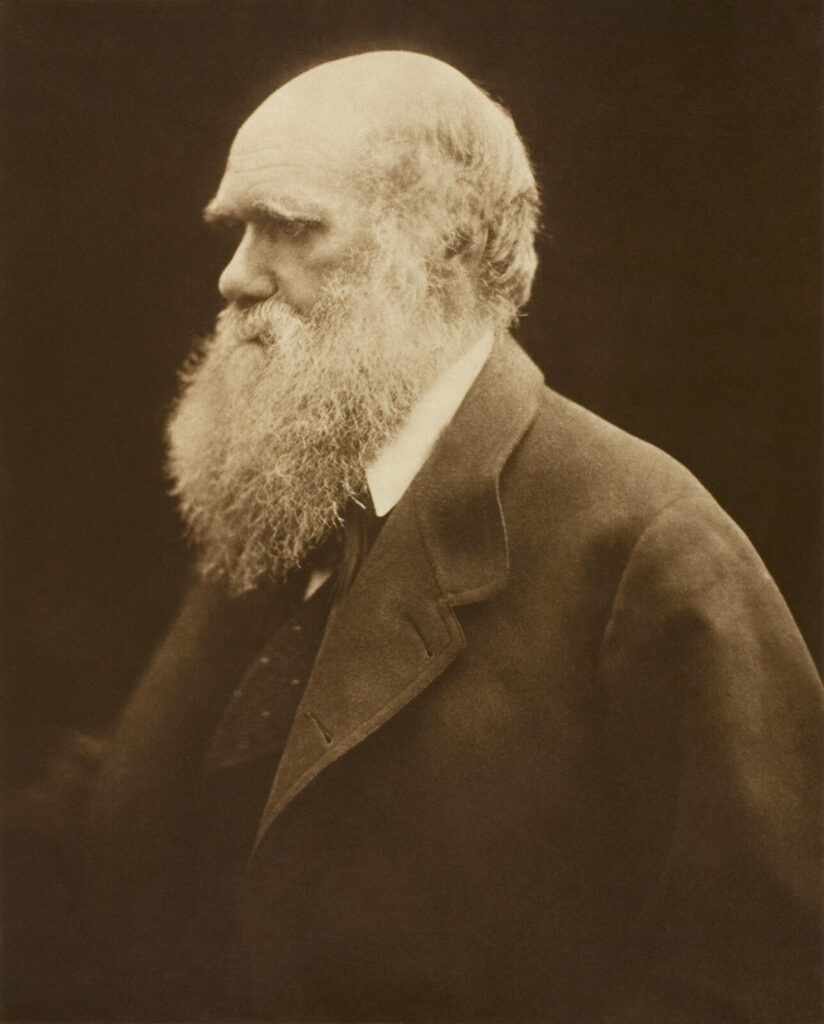
Charles Darwin
Cwm Idwal has attracted a great many people to study it over the years. One of those was the geologist and ecologist Charles Darwin. He visited Cwm Idwal when learning geological investigation techniques with his teacher Adam Sedgwick in 1831. In 1842 Charles Darwin returned to Cwm Idwal after studying glaciers in Tierra del Fuego, S. America. On this visit he noticed the glacial forces that clearly formed Cwm Idwal.
“A house burnt down by fire did not tell its story more plainly than did this valley. If it had still been filled by a glacier, the phenomena would have been less distinct than they now are.”
Charles Darwin – Describing Cwm Idwal in 1842
Further Reading: Eryri’s Geological History
Where next…
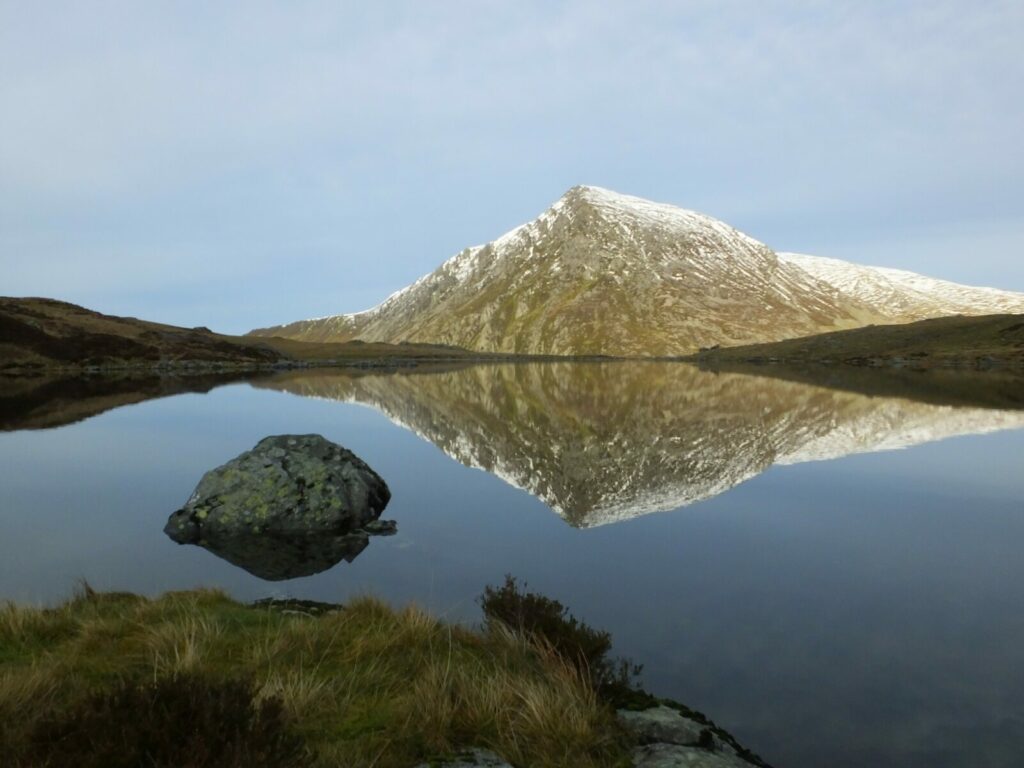
Cwm Idwal Nature Reserve
In 1954, Cwm Idwal was designated as Wales’ first national Nature Reserve, and today it…
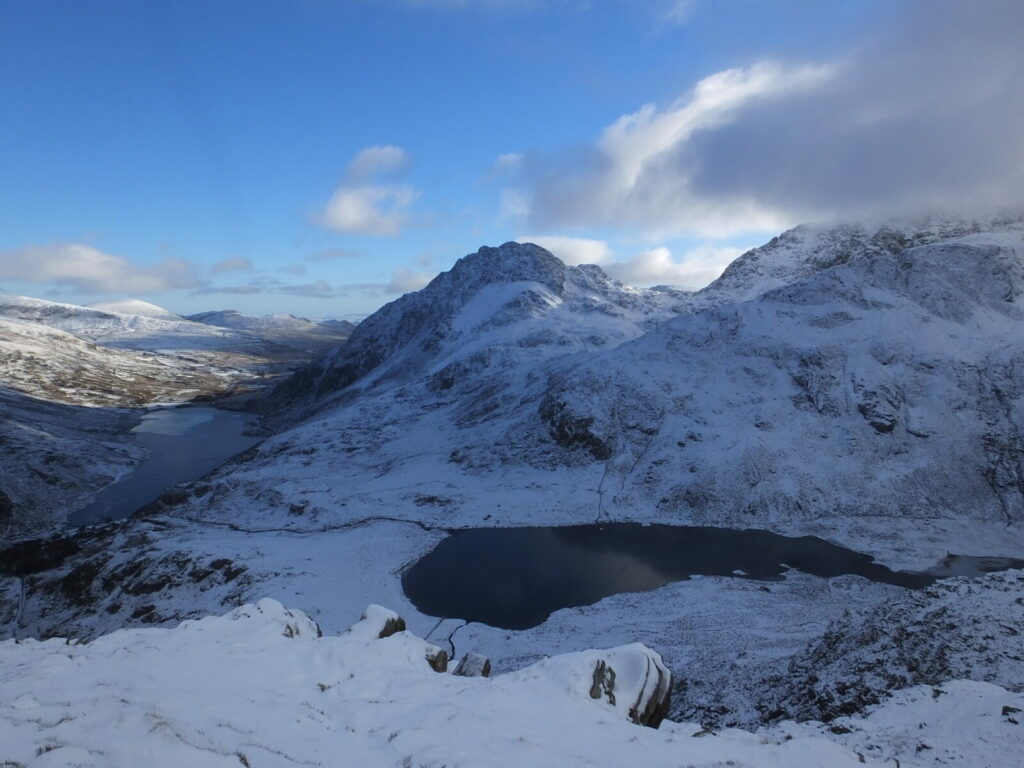
Geography
During the Ice Age, a thick layer of ice extended over a wide area of…
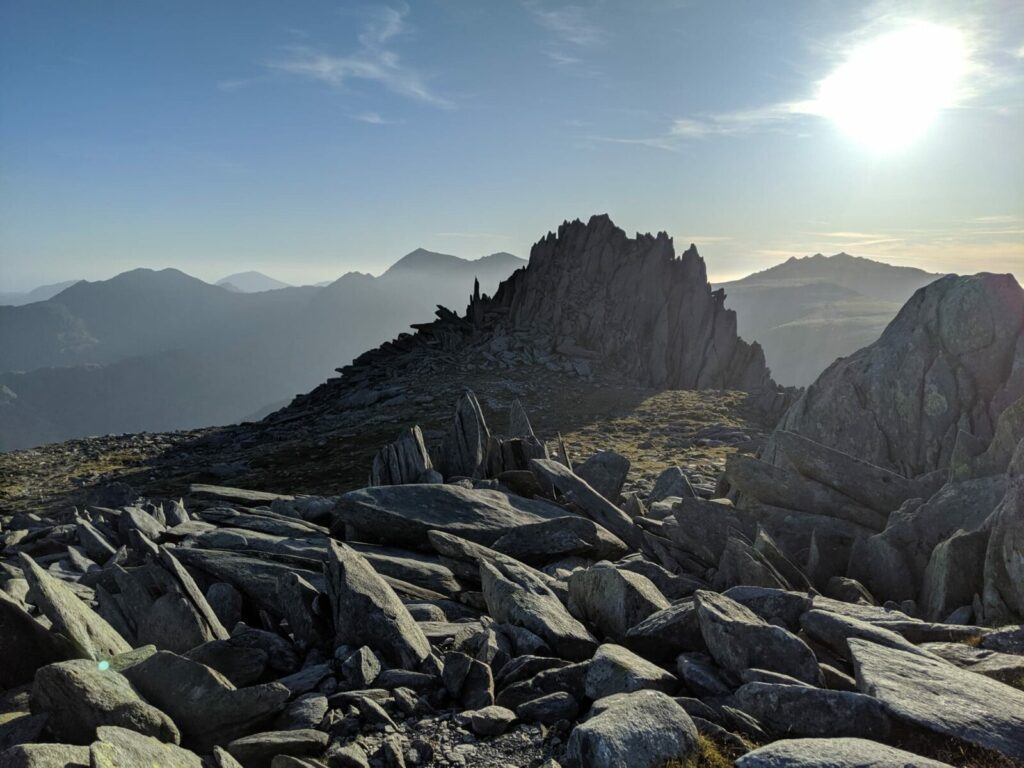
Weathering
The rocks are exposed to the elements in several places, especially on the highest slopes…
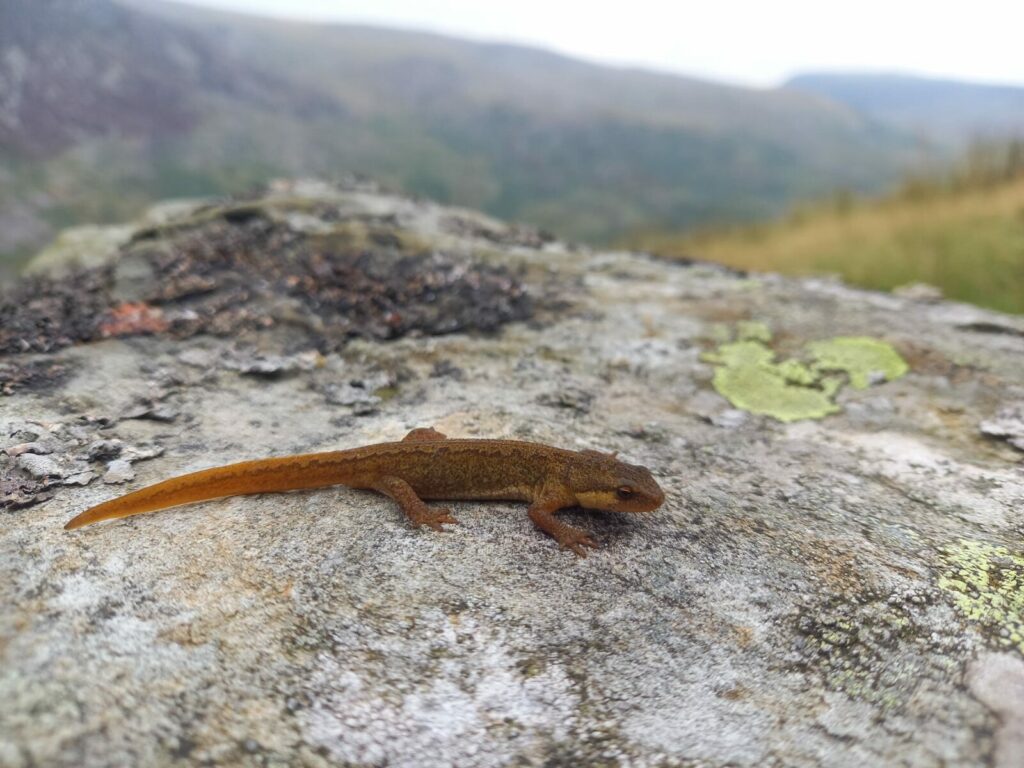
Cwm Idwal Wildlife
Cwm Idwal National Nature Reserve holds a variety of habitats which sustain a host of…